
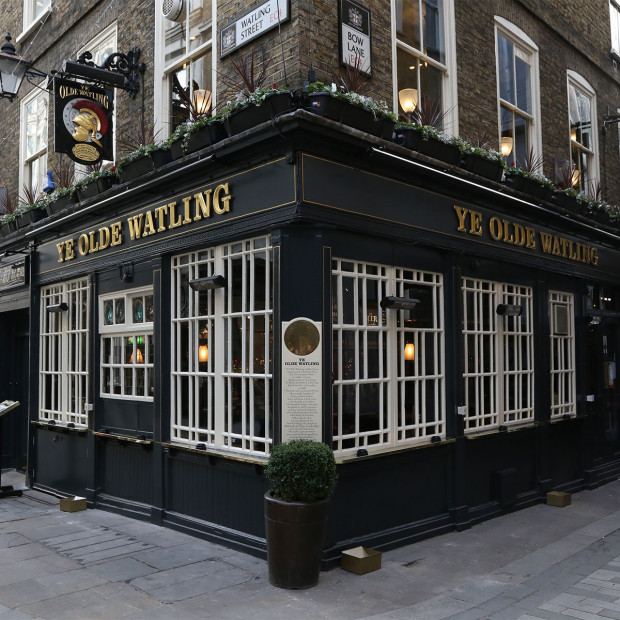
An ancient City office with a taste for good ale

The Ale Conner, sometimes known as an Ale Taster, is one of England’s oldest civic offices. The word conner means “one who tries, tests or examines”, and the Ale Conner was originally appointed to inspect the quality, quantity and price of ale sold within their jurisdiction.

The office dates back to medieval England, when ale was a staple part of everyday life and an important source of nutrition. With no modern food-safety regulations, ensuring that ale was wholesome, properly measured and fairly priced was a serious civic responsibility.

Testing the ale

Ale Conners were appointed by local authorities, including Court Leets, and were required to swear an oath to carry out their duties honestly and without favour.

Their responsibilities included visiting brewers and alehouses to:

Poor-quality or short-measure ale could result in fines, the seizure of ale, closure of an establishment or other penalties. The Ale Conner therefore played an important role in protecting both the public and the integrity of the brewing trade.

The ancient responsibilities of the office are recorded in the Liber Albus – the White Book of the City of London, compiled in 1419 by John Carpenter. Its oath required the Ale Conner to taste ale when called upon and to report any brewer or seller who failed to meet the required standards.

From regulation to tradition

As England developed modern systems of licensing, taxation, food safety and commercial regulation, the practical powers of the Ale Conner gradually disappeared. By the nineteenth century, national regulation and professional inspectors had largely replaced the old local system. Yet the office itself survived.

In the City of London, Ale Conners continue to be appointed as part of the City’s ancient civic and livery traditions. Today their role is principally ceremonial and educational: celebrating London’s brewing heritage, supporting the City’s hospitality industry and maintaining a direct link with a remarkable part of medieval civic life.

Ale Conners today

Modern Ale Conners may still be called upon to taste and judge ale, but the emphasis is now on appreciation, education and tradition rather than enforcement.

The role provides an opportunity to celebrate London’s pubs, breweries and brewing heritage, while encouraging an appreciation of the craftsmanship behind today’s beers.

The tradition also survives in Southwark’s Guidable Manor, where Ale Conners remain sworn officers of the historic Court Leet and continue to participate in ceremonial testing of ale.

A living piece of London's history

From medieval courts and market places to today’s pubs, breweries and livery companies, the Ale Conner represents a remarkable continuity of London’s civic traditions.

What began as a serious public duty – to test the ale, protect the customer and uphold fair trade – has evolved into a celebration of the City’s history, brewing culture and hospitality.

Today, the Ale Conner’s most important duty is perhaps the simplest of all: to ensure that good ale is appreciated, shared and enjoyed.

Scroll to Top